What a discovery phase is
Discovery is a short, fixed piece of work before the build. The agency learns how your business actually works, turns that into a clear scope, and tests the riskiest assumptions before anyone writes production code. It exists because the most expensive mistakes in software are made before the first line of code: building the wrong thing, or the right thing in the wrong order.What you should get at the end
A useful discovery ends with things you can hold, not just a meeting. Expect most of these:- The main workflows written down: who does what, in what order
- A scope for the first version: what's in, and what's deliberately left out
- Wireframes or a clickable prototype of the key screens
- The technical approach, in plain language, including what it connects to
- The risks and unknowns, and how each will be handled
- A milestone plan and an estimate you can hold the team to
When discovery is worth paying for
- Several user types. Customers, staff, managers and admins each need different screens and permissions.
- Connections to other systems. Accounting software, payment gateways, existing databases or third-party services.
- Replacing something you rely on. Moving off spreadsheets or an old system means data, habits and a cutover plan.
- Rules that come from outside. Health, financial or personal data with legal requirements.
- You can't yet describe the first version. You know the problem but not the product.
When you can skip it
- A small, well-defined job, like a marketing website or a single internal tool
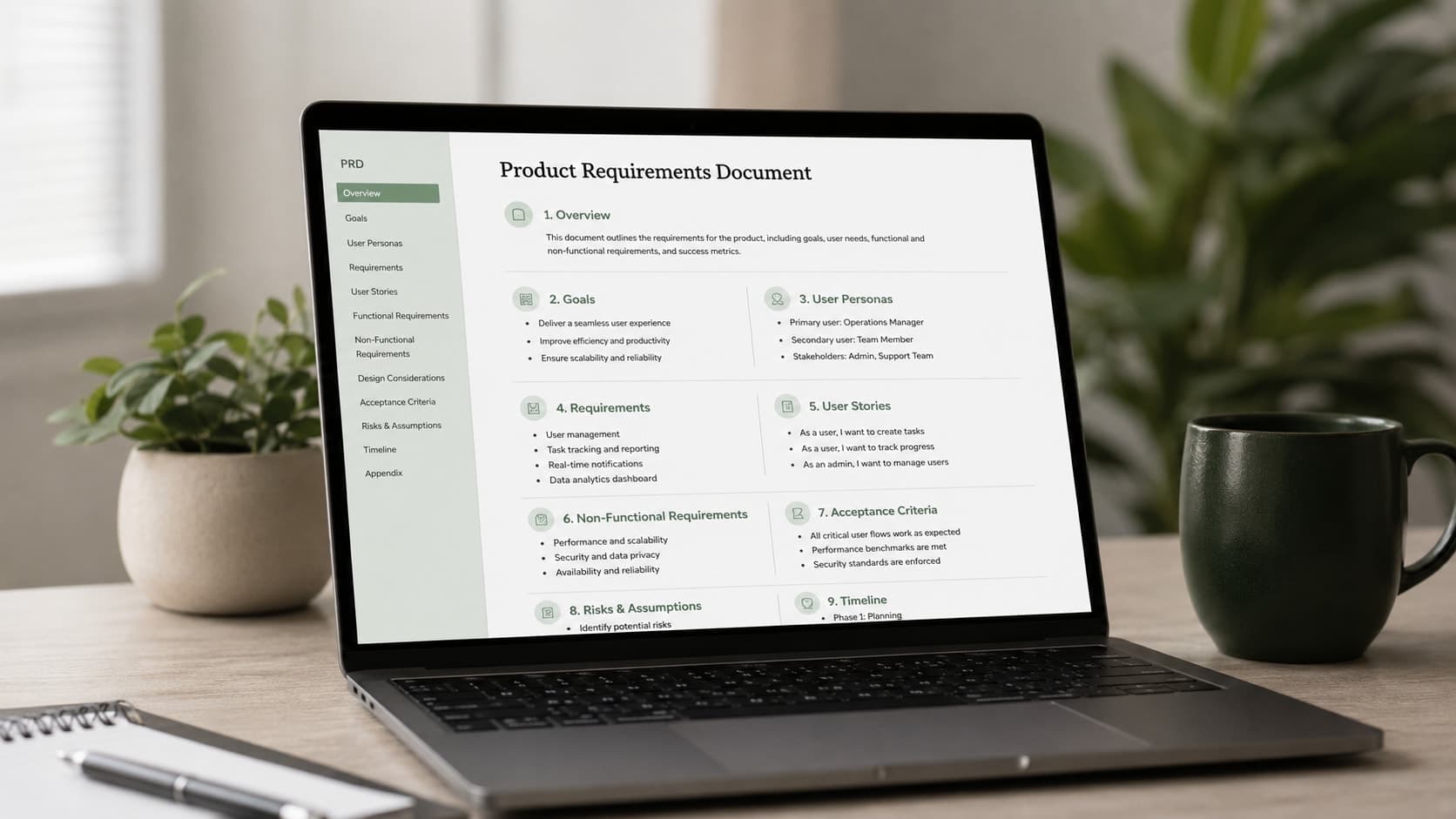
- You already have a clear written spec, such as a product requirements document, and designs
- You're adding a feature to software the team already knows
How to tell a useful discovery from a sales step
Before you agree to paid discovery, check:- It has a fixed fee and an end date. Open-ended discovery is just the project starting without a scope.
- The outputs are listed up front. You know exactly what you'll receive.
- You own the outputs. You can take the scope and prototype to another team if you want to.
- It ends in a decision point. You can stop, change direction, or go ahead with the build.
- The people doing discovery will build the product. Otherwise the knowledge gets lost in handover.
How discovery fits with how you pay
Discovery is usually a small fixed-price piece of work, followed by fixed-price milestones for the build once the scope is clear. Our guide to fixed price vs time and materials explains why that combination works for most first versions.What we cover on a scoping call
Not every project needs a separate discovery. On a free scoping call we look at your workflows and tell you honestly whether a written scope is enough, or whether a short discovery would save you money. If it's worth doing, you'll get the outputs, the timeline and the fee in writing before you decide.FAQ
What is a discovery phase in software development?
A short, fixed piece of work before the build that turns your idea and workflows into a clear scope, a prototype of key screens, a technical approach, a list of risks, and a milestone plan.Can I take my discovery outputs to another agency?
You should be able to. Ask for that in writing before discovery starts.Is a free consultation the same as discovery?
No. A free call helps you decide whether to work together and roughly what's involved. Discovery is detailed work that produces a scope, a prototype and a plan.Not sure if your project needs discovery? Book a free scoping call and we'll tell you.