The ten things to score
Give each proposal a score from 1 to 5 on each line. If a proposal doesn't mention something at all, score it 1.| What to score | What a strong proposal shows |
|---|---|
| Understanding of your problem | It describes your business and workflows in its own words, not copied from your brief |
| Scope | What's included and what's not, written down |
| Assumptions and risks | The unknowns are named, with how they'll be handled |
| Team | Named roles, and who you'll speak to day to day |
| Milestones | Each one ends in working software you can test |
| Ownership | Code, IP and every account belong to you |
| Quality | How testing works, and where you'll review before release |
| Communication | How often you'll see progress, and how fast they reply |
| After launch | Warranty, support and maintenance options |
| Price and payment terms | An itemised price, with payments tied to delivered work |
Questions to send each shortlisted agency
Most proposals leave gaps. Send the same follow-up questions to every agency so the answers are comparable:- What would you leave out of the first version, and why?
- What's the riskiest part of this project, and how will you handle it?
- Who exactly will write the code, and can I speak to them before signing?
- What do you need from my side each week?
- What happens if we want to change something halfway through?
Three mistakes when comparing proposals
Comparing price before scope
A lower price for a smaller scope isn't a saving. Line up what's included first, then compare.Rewarding the longest document
A long proposal can still be vague. Look for specifics about your project, not pages about the agency.Ignoring the pricing model
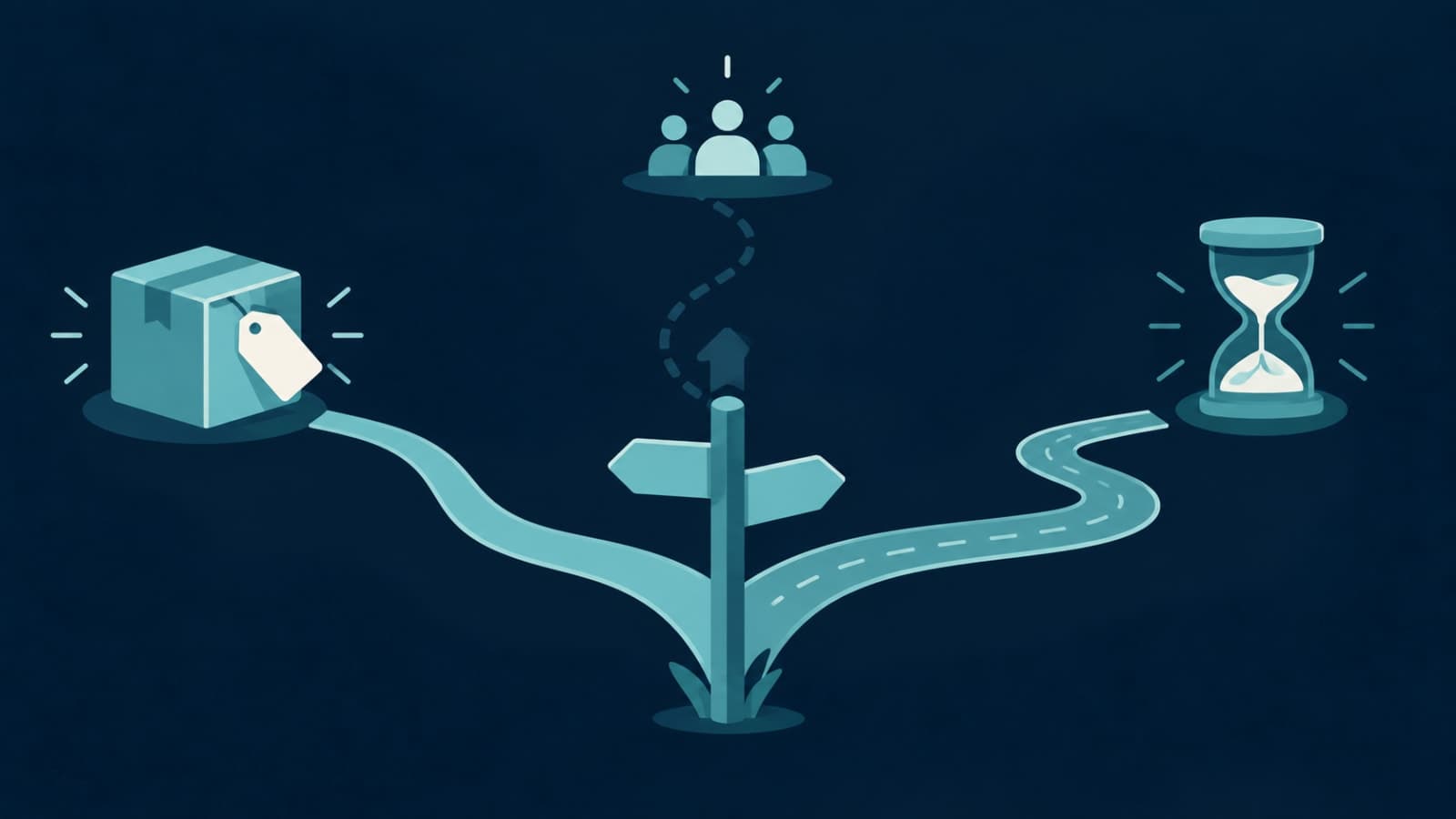
A fixed price and an hourly estimate carry different risks, even at the same number. Fixed price vs time and materials explains which risk you're taking on.If two proposals score the same
Ask both for a small, paid first phase, such as scoping or the first milestone. Working together for a few weeks tells you more than any document. Choose the team that asks better questions and shows working software sooner.What we cover on a scoping call
Our proposals follow a scoping call, not a form. We go through your workflows, then send a written scope with what's in, what's out, milestones and the team, so you can score it against anyone else's. The commercial terms come with that written scope.FAQ
How many software development proposals should I get?
Three is usually enough. Fewer gives you nothing to compare; more takes weeks and the answers start to blur.What should a software development proposal include?
Your problem in the agency's words, what's in and out of scope, assumptions and risks, the team, milestones tied to working software, ownership of code and accounts, testing, communication, support after launch, and an itemised price.Should I choose the agency with the best score or the best price?
The best score on the lines that matter most to you. Price only decides between proposals that score about the same.Want a proposal you can score against the others? Book a free scoping call.