The parts of a logistics operation
| Part | Usually buy | Usually build |
|---|---|---|
| Booking | Generic forms | Your quoting, vehicle types and customer portal |
| Dispatch | Basic route planners | Your assignment rules, zones and priorities |
| Driver app | Generic driver apps | Your job flow, payouts and proof steps |
| Tracking | GPS devices, maps | Customer-facing tracking in your brand |
| Billing | Accounting software | Pricing logic that feeds invoices |
| Reporting | BI tools | The operational view your team uses daily |
When off-the-shelf works
- Your process matches the product's assumptions.
- You're a small fleet with standard jobs.
- The vendor's pricing scales with you.
When custom pays off
- Pricing depends on rules a product can't express: zones, vehicle types, multi-stop, waiting time.
- You need your own customer app or portal, not a vendor's.
- You work with driver-partners, not just employees, and need payouts and onboarding.
- You're stitching three tools together and still using WhatsApp for the gaps.
- Your operations are the product, as with an on-demand platform.
Common systems logistics businesses commission
- Booking platform for customers on web and mobile. See what a cargo booking platform takes.
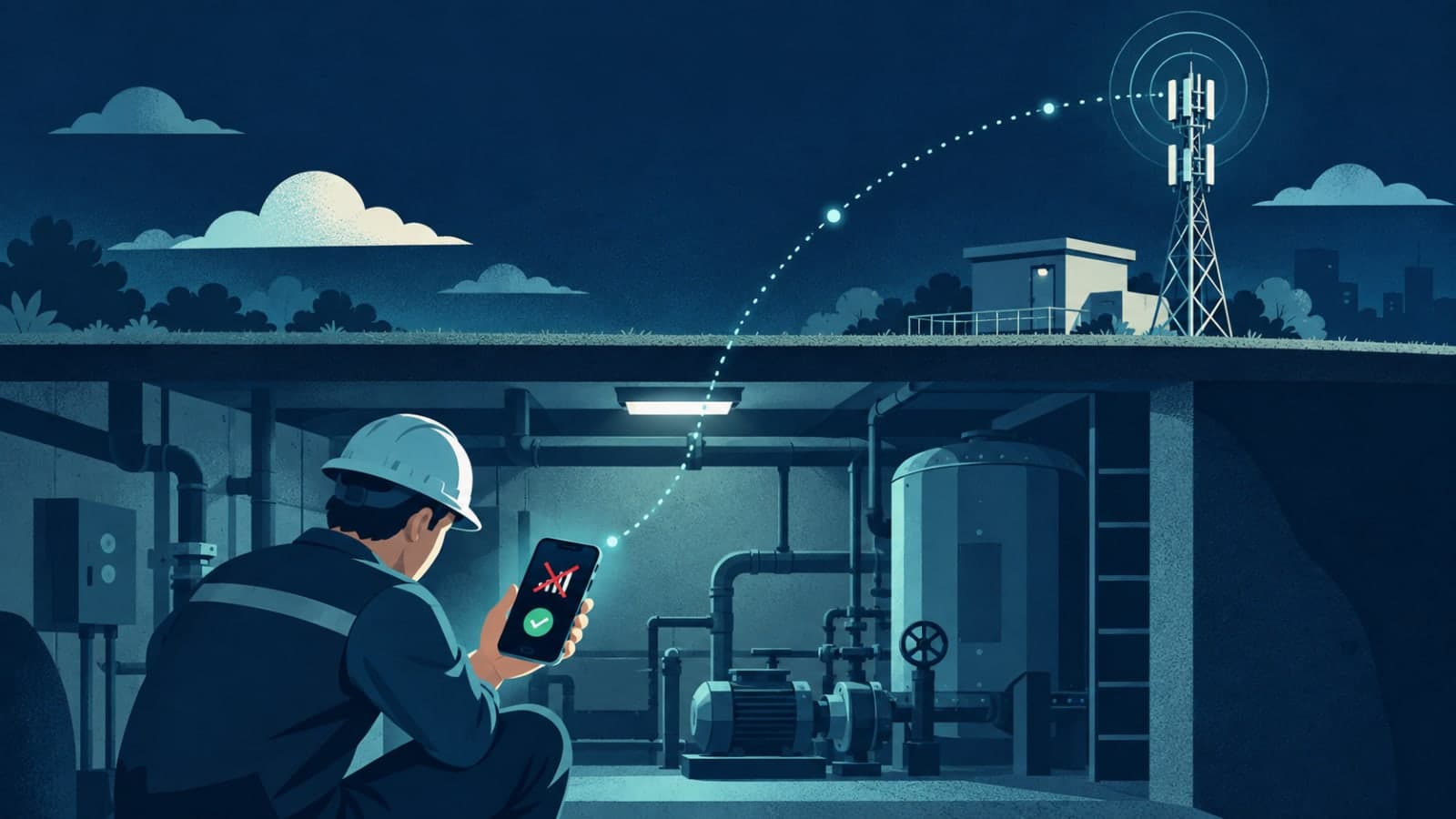
- Driver app with job alerts, navigation and status updates, ideally working offline. See why offline mode matters.
- Operations portal for dispatch, drivers, pricing and finance.
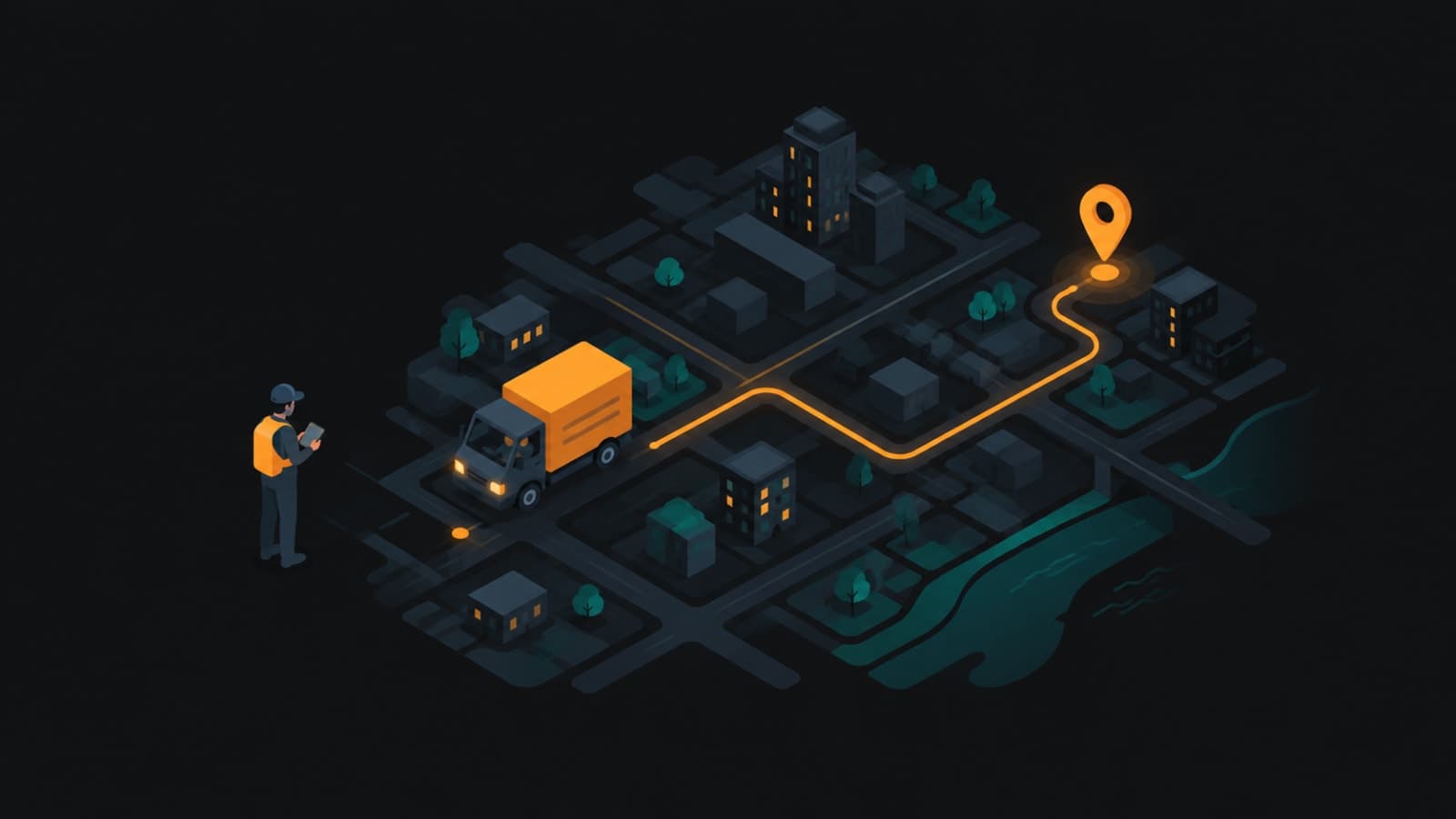
- Customer tracking so customers stop calling. See self-service portals.
- Proof of delivery captured in the app instead of on paper.
How to start without a big-bang project
- Find the step that costs most time or errors today, often phone bookings. Our post on what phone booking really costs helps quantify it.
- Build that first, with a simple operations view.
- Add the driver app, then tracking, then reporting.
What we built for Bhaada
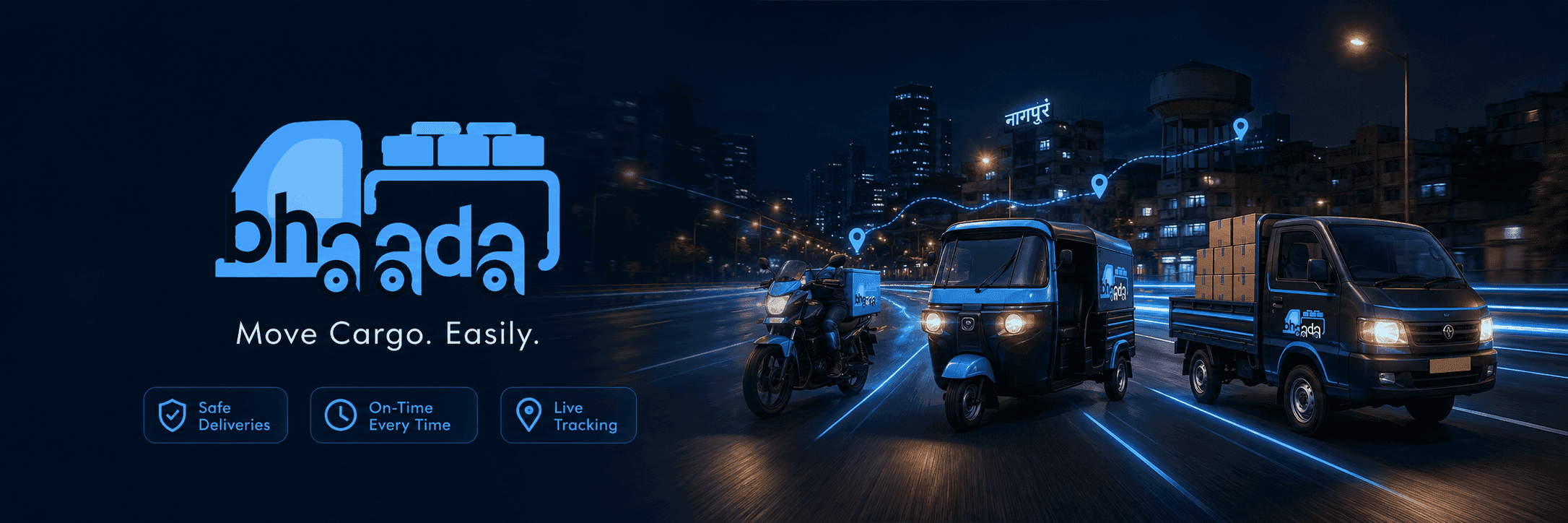
Bhaada is an on-demand cargo platform across Kanpur, Lucknow and Unnao. We built the whole platform on one real-time backend: a customer app with multi-stop booking and live tracking, the Bhaada Buddy driver app with job alerts, navigation and wallet payouts, an operations portal, and the marketing site.FAQ
Can custom software work with our GPS devices?
Usually yes, if the device provider offers an API or data feed. Many businesses use phone GPS from the driver app instead.Do we need a customer app or is a website enough?
For repeat B2B customers, a web portal is often enough. For consumers booking on the go, an app usually performs better.How long does a first version take?
A focused first version, such as a customer app, a driver app and a basic admin panel, typically takes 6–12 weeks depending on dispatch and pricing complexity.Running bookings and dispatch on calls and spreadsheets? Book a free scoping call and we'll map what to build first.