Rent is the flow tenants use most and the one property managers judge a tenant app by. It is also the part most often bolted on last: a payment link sent by email, a bank transfer matched by hand, a card payment nobody can find in the records. A proper rent payment integration makes paying rent part of the tenancy itself, with the same record visible to the tenant and the property team.
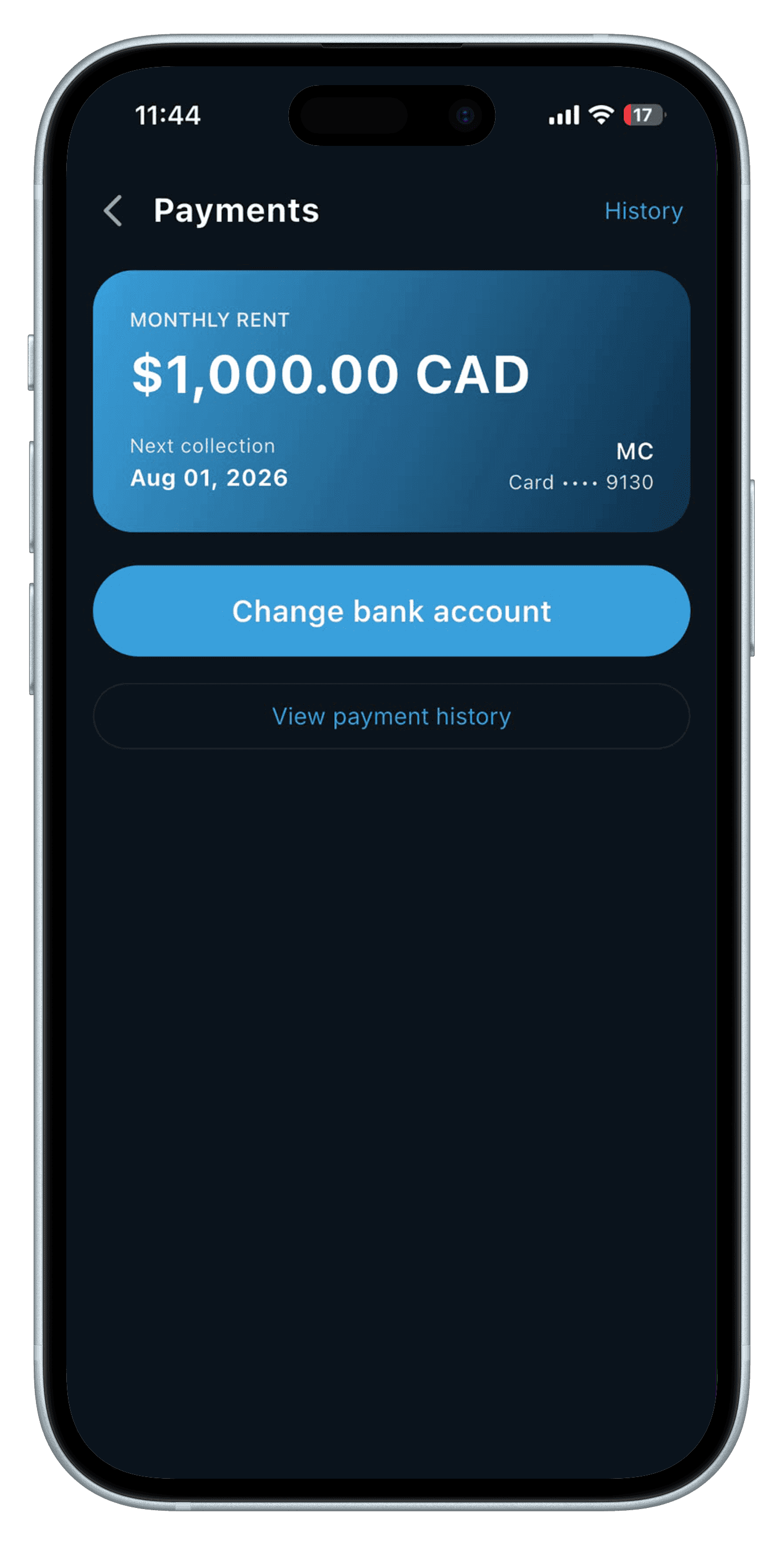
We built rent and bill payments for RentEra, a property management platform for a Canadian client. Tenants authorize rent and pay bills in the RentEra Tenant app, and the RentEra website hosts Helcim checkouts so a payment can also be completed from a browser.
What a rent payment integration has to handle
- Recurring authorization: the tenant authorizes rent once instead of paying from scratch every month.
- Saved methods: card or bank details stored by the payment provider and reused for bills.
- Bills that aren't rent: utilities and one-off charges paid through the same flow.
- Failed or returned payments: reversed in the records, with the tenant and manager told what to do next.
- One shared record: the tenant's payment history and the property team's view come from the same data.
Choosing a payment provider by market
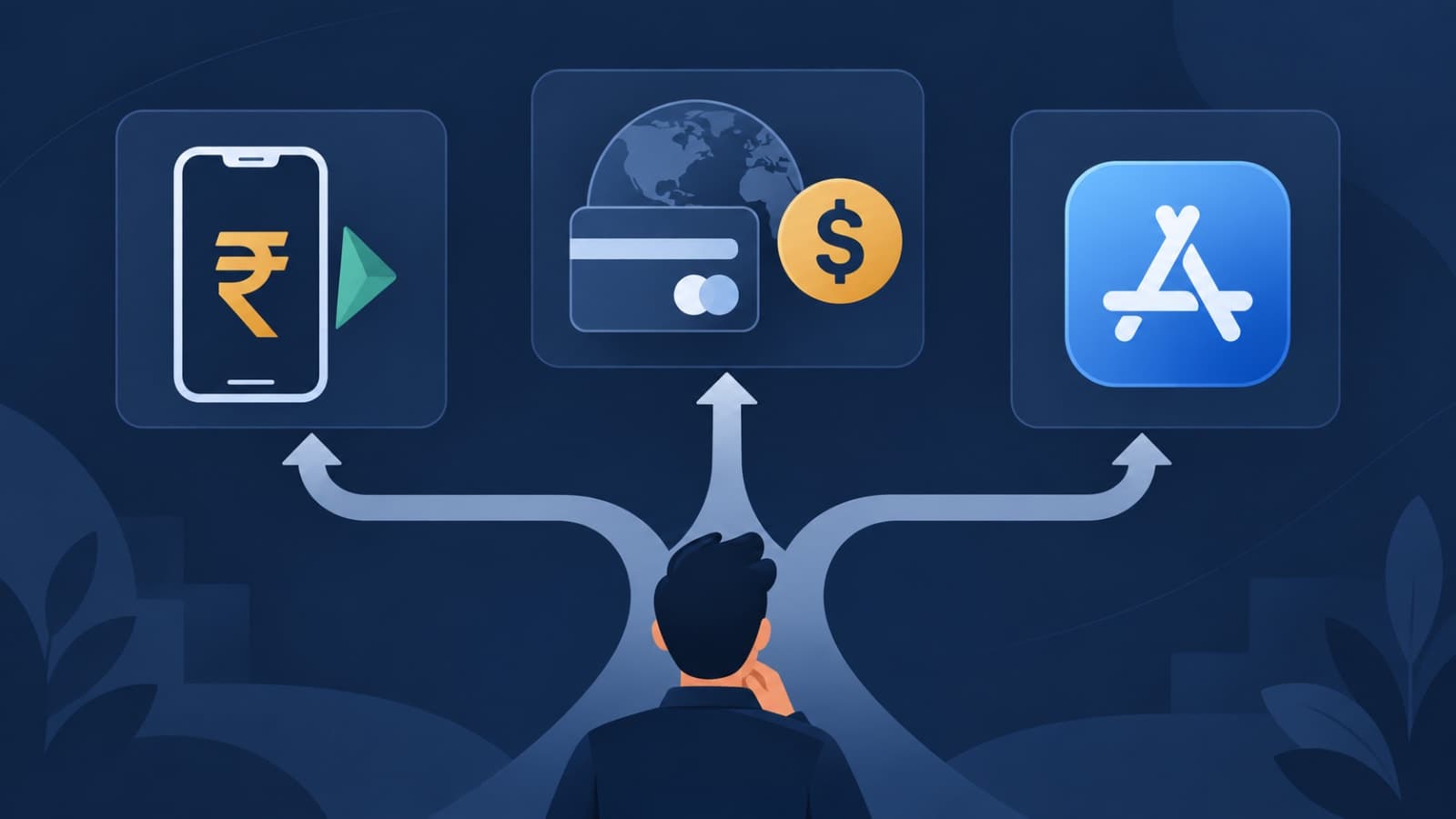
RentEra uses Helcim for card and ACH/EFT, which suits Canada and the U.S. Stripe is another common choice in North America. In India, Razorpay supports UPI and UPI Autopay mandates for recurring rent. We pick the provider your tenants already trust and that settles to the right accounts, rather than forcing one stack. Our guide to choosing a payment rail covers the trade-offs.
What drives the scope
- One-off vs recurring: recurring authorization adds mandates, retries and change handling.
- Number of payment types: rent only is smaller than rent, deposits, utilities and fees.
- Late fees and partial payments: the ledger rules need to be agreed and tested.
- Payouts: one company account is simpler than settling to several owners.
- Accounting: whether payments sync to your accounting software.
How we build it
We integrate the provider's hosted checkout and webhooks so card and bank details never touch your servers, record every payment in a ledger that tolerates duplicate notifications, and test the full flow in the provider's sandbox before going live. The tenant app is built in Flutter and the website in Next.js, both on the same Node.js and TypeScript backend.