Why "it depends" isn't a useful answer
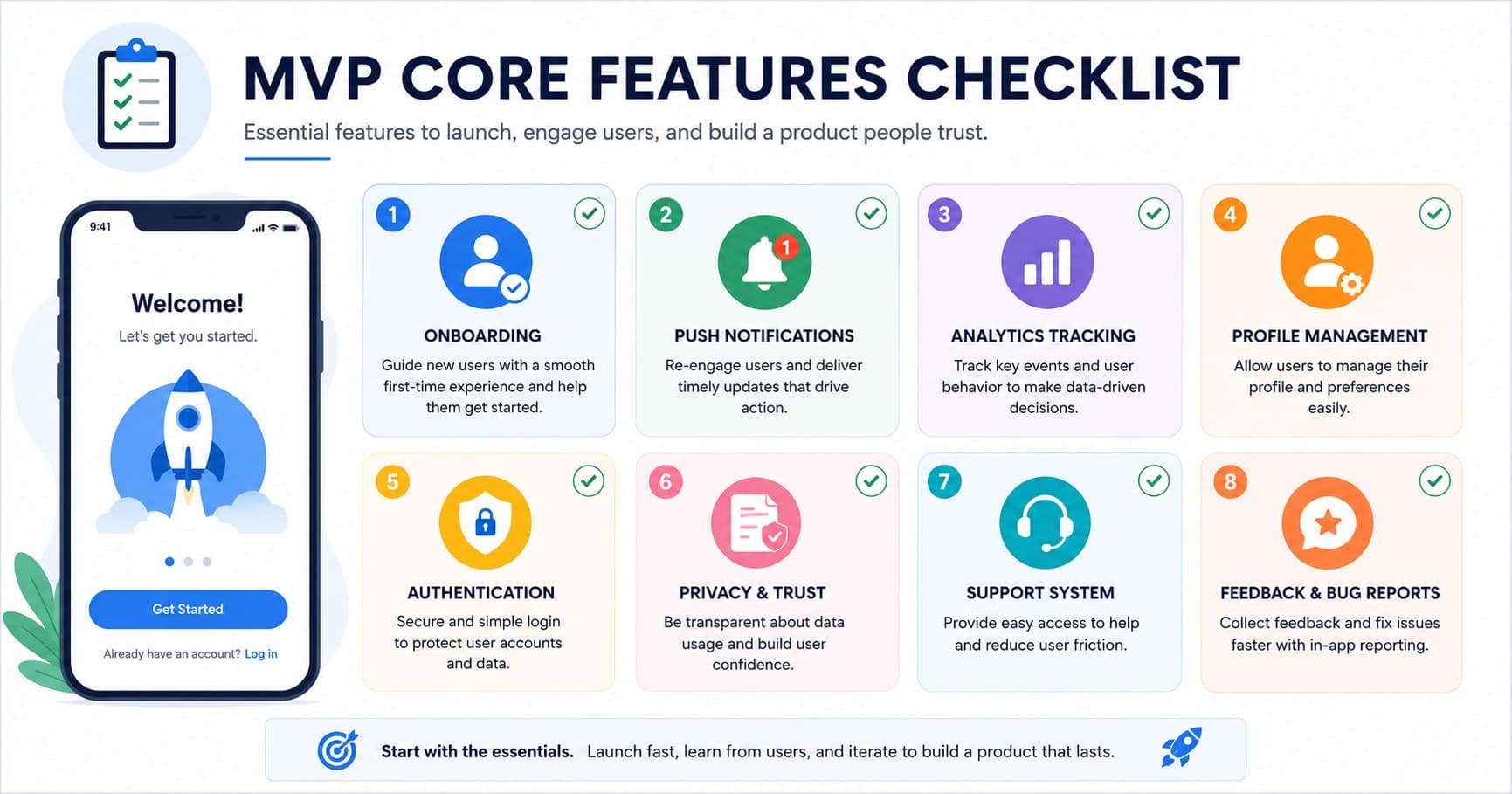
Every agency will tell you cost "depends on scope" — which is true and also unhelpful. What actually drives the number is a smaller set of decisions made in the first week: single-tenant or multi-tenant architecture, how many user roles exist, whether billing needs to support multiple pricing models, and how much of the design system gets built versus borrowed. Get honest about these four before requesting quotes, and the range you get back will actually mean something. A short product requirements document makes those decisions visible.The four SaaS MVP cost tiers
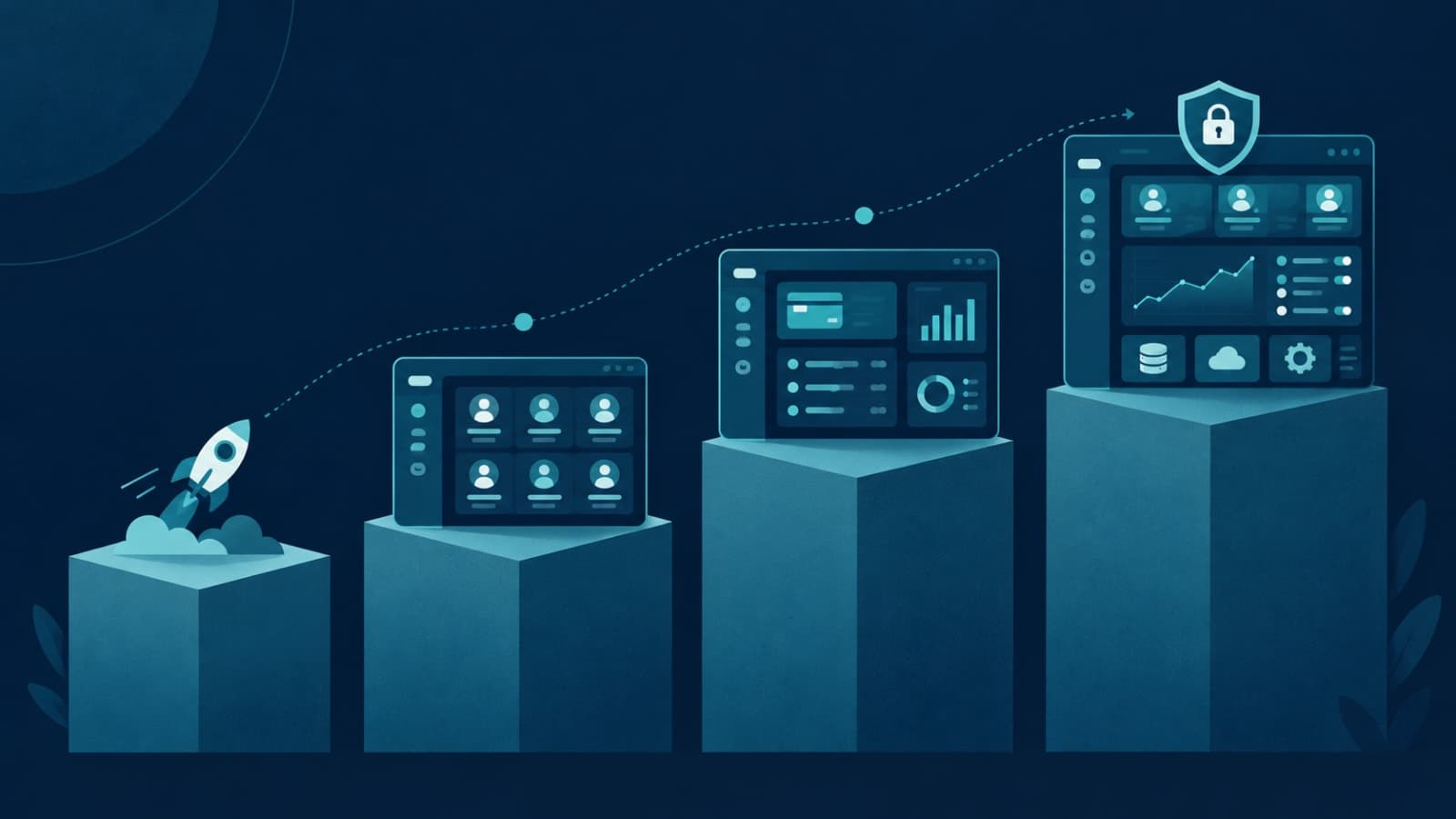
Across the market in 2026, SaaS MVP budgets tend to cluster into four bands. These are directional market ranges, not a quote — but they're a useful sanity check against anything you're being pitched. Teams in India typically land at the lower end of each band for the same scope.- Lean MVP ($15k–$40k, 6–10 weeks): single-tenant, one core workflow, basic auth, a single payment integration. Good for validating demand with a small pilot group.
- Mid-complexity MVP ($40k–$100k, 10–16 weeks): multi-tenant architecture, team accounts, an admin dashboard, and a polished onboarding flow — the tier most funded startups launch on.
- Full-featured build ($100k–$250k+, 4–7 months): multiple interconnected workflows, third-party integrations, AI-assisted features, and a proper design system rather than a template.
- Compliance-heavy build ($300k+, 6–9 months): HIPAA, SOC 2, or PCI requirements add significant work on top of the base build for audit trails, encryption at rest, and access controls.
Where the budget actually goes
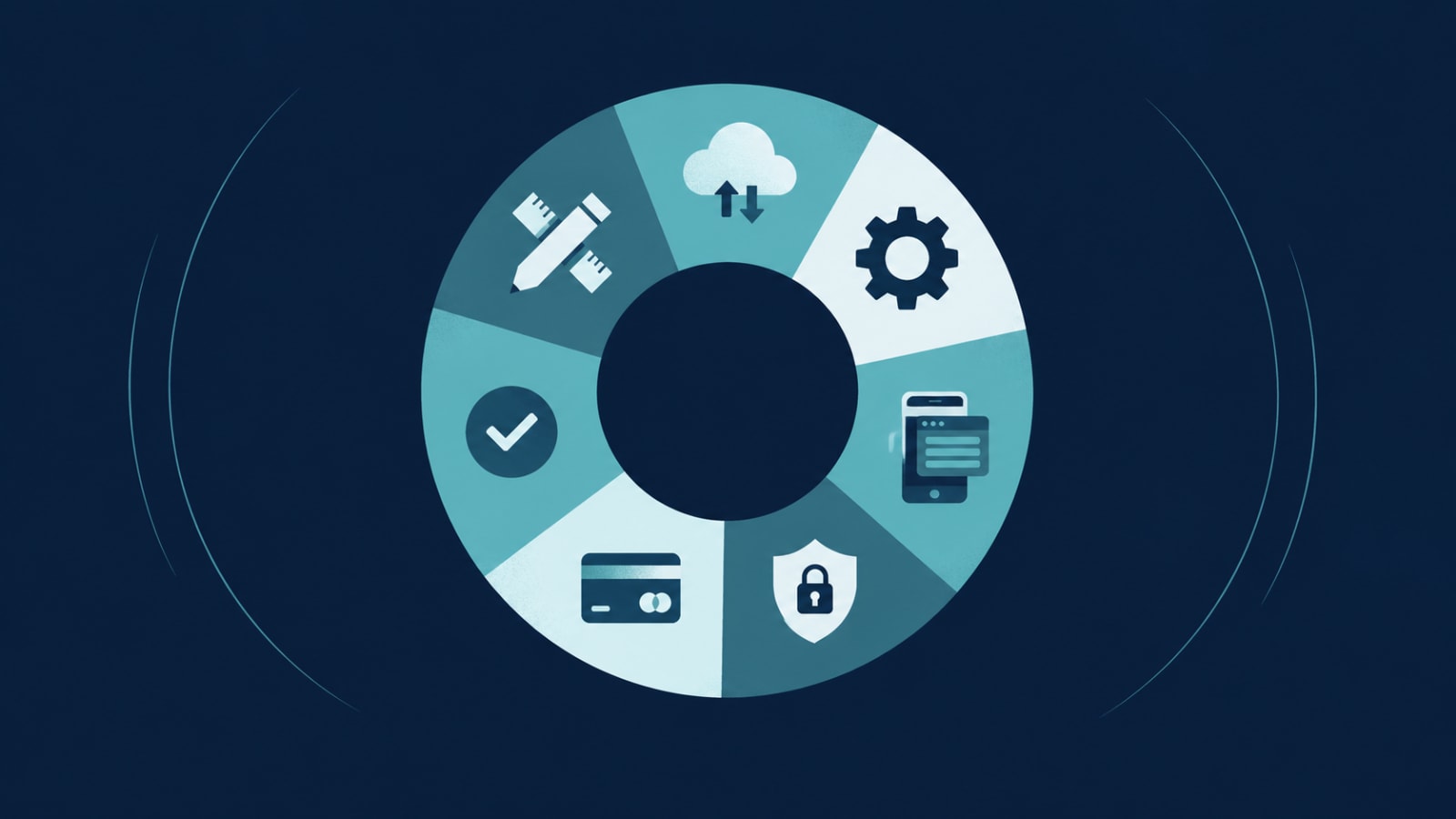
For a typical mid-tier SaaS MVP, the split looks roughly like this — and it's a useful checklist for spotting a quote that's missing something:- Discovery and design — 15–20% of the total budget, and the phase most tempting (and most damaging) to cut.
- The core workflow(s) that deliver the product's value — 30–40%, rightly the largest single line item.
- Multi-tenancy and authentication — 10–15%, the plumbing that's invisible until it's missing. See what happens when someone logs into your app.
- Billing and payments integration — 8–12%, more if you support multiple pricing models from day one.
- Admin tooling and role management — 8–10%, easy to underscope and expensive to retrofit.
- QA and project management overhead — 8–12% across the build.
- Deployment and infrastructure setup — 3–5%, though this is where a good hosting and deployment strategy pays for itself well past launch.
What's changed in 2026: AI-assisted development
The real shift from a couple of years ago is timeline, not scope. Teams using AI coding tools for routine implementation work — boilerplate, CRUD screens, tests, migrations — are shipping MVPs noticeably faster than they did in 2024, and faster builds mean smaller invoices. What hasn't changed is the strategic work: discovery, architecture decisions, and API design still take the same thinking regardless of how fast the code gets written. AI compresses execution time; it doesn't replace the judgment calls that decide whether the MVP tests the right hypothesis.Choosing a pricing model before you build
The pricing model you plan to charge under directly affects engineering scope, so decide it before development starts rather than retrofitting billing logic later. Our guide on how to decide pricing for your SaaS product covers the business side.- Flat-rate — one price, all features. Cheapest to build and easiest to explain, but it caps revenue as customers grow.
- Per-seat — scales with headcount. Straightforward to implement, but usage tracking still needs to exist to justify the price to buyers.
- Usage-based — pay for what you consume (API calls, records processed, storage). Fairer to customers, but it needs metering built in from the start, not bolted on.
- Freemium — a free tier drives adoption but adds support and infrastructure load from day one, which needs budgeting before there's paying revenue.
- Tiered / hybrid — the most common choice for funded SaaS startups, bundling seats, usage limits, and feature gating into two or three plans. Also the most engineering-intensive to implement cleanly.
Ongoing costs after launch
The build cost is only part of the number founders need to plan around. Post-launch, budget for:- Annual maintenance — typically 15–20% of the original build cost, covering bug fixes, dependency updates, and small iterations. See what a maintenance plan should cover.
- Hosting and infrastructure — from a few hundred dollars a month at launch, growing with traffic and data volume.
- AI inference costs — if the product ships AI features, model these before launch, not after the first invoice.
- Observability, email, and support tooling — small individually, meaningful together.
Founders underestimate the run cost more often than the build cost. Budget the first twelve months of hosting and maintenance before you finalise the MVP scope, not after.
How we approach SaaS MVP budgets at Fall Rise
When we scope a SaaS build with a founder, the first conversation is about which tier matches their runway and their hypothesis — not which one sounds most impressive in a pitch deck. Most first-time SaaS founders are better served starting lean and proving the core workflow before investing in multi-tenant polish or compliance overhead they don't need yet. Where the product calls for custom workflows, internal tooling, or integrations beyond a typical SaaS shape, our custom software development work picks up instead. You can see how we've scoped and shipped products at different stages on our projects page.There's no single correct number for what a SaaS MVP should cost — only the number that matches your hypothesis, your runway, and how much of the product you need to prove on day one. If you're scoping a SaaS build and want a realistic budget before you write requirements, book a free scoping call.